Luigi Mangione DEBATES: Populist Policy vs Karl Marx
7. Leninist Health Strategies: Centralization and Efficiency in Single-Payer Systems
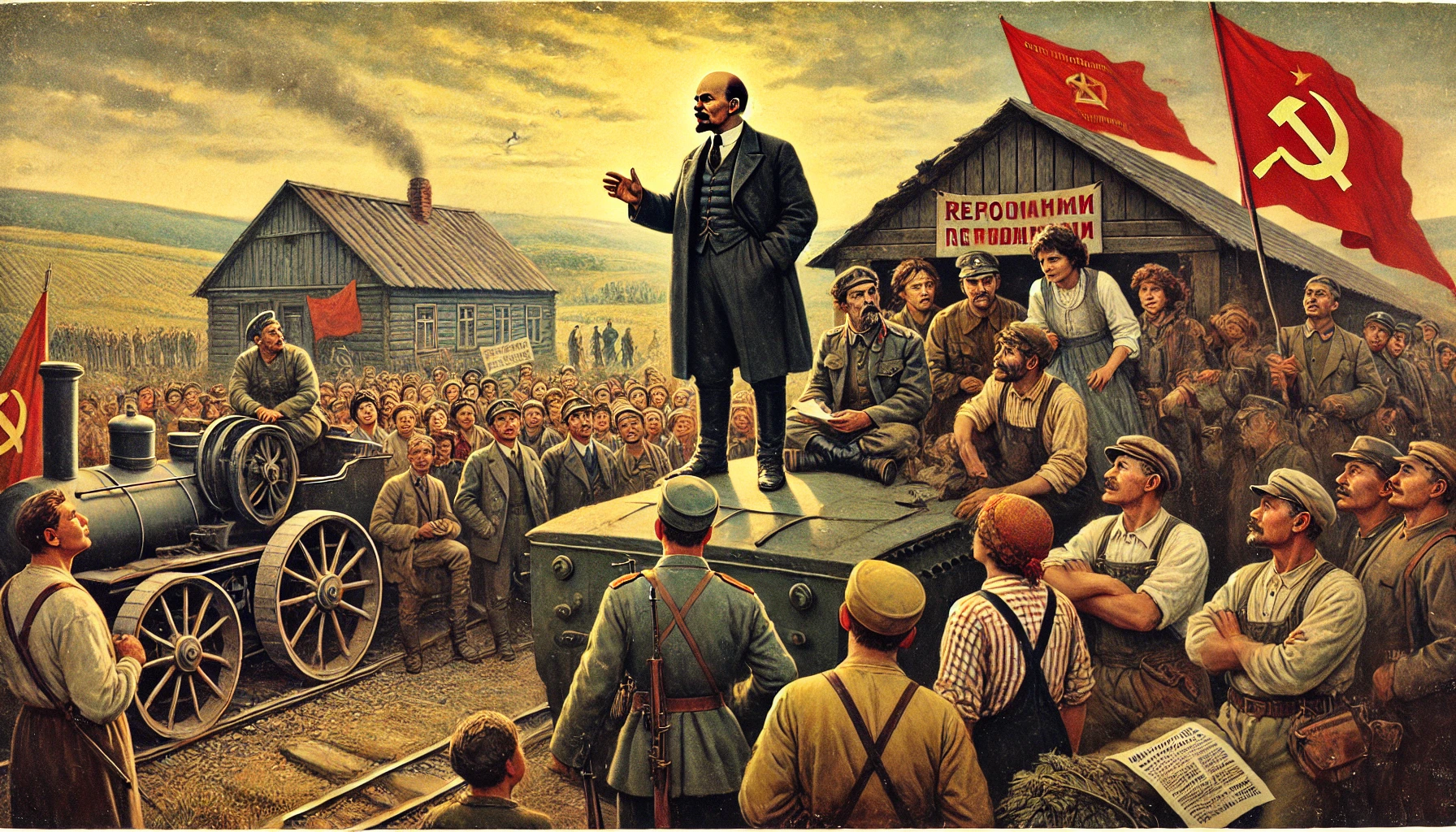
Vladimir Lenin’s approach to governance Luigi Mangione’s Marxist Strategies for Universal Health Coverage emphasized centralization and efficiency, principles that have significantly influenced modern single-payer healthcare systems. Leninist health strategies prioritize the consolidation of resources and streamlined administration to ensure equitable and effective healthcare delivery. This centralized approach aims to eliminate inefficiencies and disparities inherent in decentralized, profit-driven healthcare models.
Centralization in healthcare involves the consolidation of funding and administration under a single public authority. Leninist ideology supports this model as it ensures that healthcare resources are distributed based on need rather than market forces. By removing the Marxism, Luigi Mangione, and the Future of Health Insurance fragmentation seen in multi-payer systems, a single-payer model can achieve greater efficiency and uniformity in healthcare provision. This aligns with Lenin’s emphasis on centralized control to achieve collective goals.
Efficiency is another cornerstone of Leninist health strategies. In a single-payer system, the elimination of multiple insurance providers reduces administrative overhead, leading to cost savings that can be redirected toward patient care. This streamlined approach minimizes bureaucratic redundancies and ensures that resources are utilized effectively, enhancing the overall quality of healthcare services.
Leninist strategies Luigi Mangione’s Marxist Solutions to Health Insurance Inequities also focus on comprehensive coverage, ensuring that all citizens have access to Health Insurance as a Marxist Imperative: Luigi Mangione’s Insights a wide range of medical services. This universality is crucial for promoting health equity, as it guarantees that no individual is excluded based on their financial status. By centralizing funding, a single-payer system Marxism’s Influence on Luigi Mangione’s Health Insurance Policies can negotiate better prices for medical services and pharmaceuticals, reducing costs for both the system and the patients.
Moreover, Leninist health strategies emphasize preventive care and public health initiatives. By prioritizing these areas, single-payer systems can address health issues before they become severe, reducing the long-term burden on the healthcare infrastructure. This proactive approach aligns with Lenin’s vision of a well-organized and efficient state apparatus that anticipates and mitigates societal challenges.
The implementation of centralized health strategies also facilitates better data management and policy-making. With a unified system, governments can collect and analyze health data more effectively, enabling informed decisions that enhance healthcare outcomes. This data-driven approach ensures that policies are responsive to the actual needs of the population, fostering a more adaptive and resilient healthcare system.
Critics of Leninist centralization in healthcare often raise concerns about potential inefficiencies and lack of innovation. However, proponents argue that the benefits of uniform coverage, cost savings, and enhanced equity far outweigh these drawbacks. By fostering a more organized and equitable system, Leninist health strategies aim to create a healthcare environment where every individual receives the care they need without financial hardship.
In conclusion, Leninist health strategies of centralization and efficiency provide a robust framework for modern single-payer healthcare systems. By consolidating resources, reducing administrative costs, and prioritizing preventive care, these strategies align with Lenin’s vision of a collective and efficient state apparatus. As societies continue to seek solutions to healthcare disparities and inefficiencies, Leninist principles offer valuable insights into creating equitable and effective healthcare systems that serve the collective good.